
How Vestibular Physiotherapy Can Help You Reclaim Control
Dizziness, vertigo, and a constant feeling of being off-kilter – these are just some of the disruptive symptoms that can arise from vestibular disorders. These issues stem from problems within the vestibular system, a complex network in your inner ear responsible for balance and spatial orientation. When this system malfunctions, it throws off your body’s ability to navigate the world, impacting everything from walking to reading.
The good news is, you don’t have to live with these challenges. Vestibular Physiotherapy offers a non-invasive, customized approach to help you regain control of your balance and overcome the limitations caused by vestibular dysfunction.
Vestibular physiotherapy programs are designed by trained therapists to address the specific needs of each patient. Through a comprehensive evaluation, the therapist will pinpoint the root cause of your vestibular issues, whether it’s inner ear inflammation, benign positional vertigo (BPPV), or another condition. Once the culprit is identified, a personalized exercise program is developed.
Imagine your inner ear as a tiny level constantly sending information about your head position and movement to your brain. This intricate system, called the vestibular system, is essential for maintaining balance and keeping you feeling grounded. When the vestibular system malfunctions, it sends scrambled signals to the brain, leading to the sensation of dizziness and imbalance. Vestibular physiotherapy works by retraining these communication pathways, helping your brain to interpret the signals from your inner ear more accurately.
Vestibular physiotherapy goes beyond simply masking the symptoms. It’s a retraining program for your brain, designed to compensate for vestibular dysfunction. Through a series of targeted exercises, a vestibular therapist can teach your brain to rely more heavily on visual cues and other sensory information to maintain balance. This process can significantly reduce dizziness, improve balance, and restore your confidence in movement.
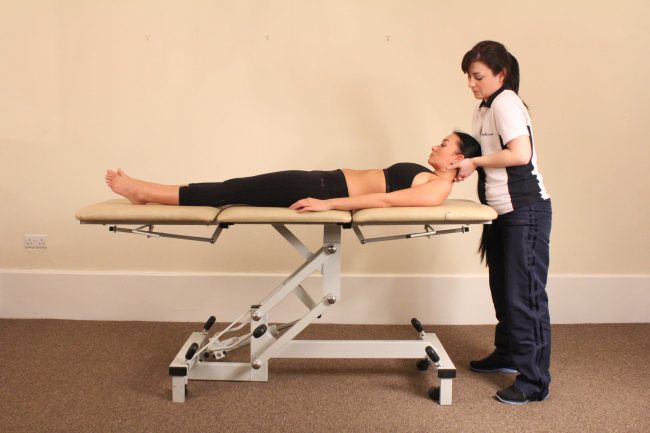
One example of a vestibular therapy exercise is called a canalith repositioning maneuver. This maneuver is specifically designed to treat BPPV (benign paroxysmal positional vertigo) by dislodging tiny calcium particles that become lodged in the inner ear canals, causing dizziness.
While the canalith repositioning maneuver might seem like a simple exercise, it’s crucial to perform vestibular therapy exercises under the supervision of a qualified physiotherapist. They possess the expertise to assess your specific condition and design a personalized program that incorporates safe and effective exercises tailored to your unique needs. This ensures you perform the exercises correctly to maximize their effectiveness and avoid any potential complications.
These exercises can encompass a variety of techniques. Some may focus on gaze stabilization, training your eyes to track smoothly despite head movements that normally trigger dizziness. Others might involve balance retraining, gradually challenging your vestibular system and encouraging your brain to compensate for any remaining dysfunction. Habituation exercises can also play a role, helping you desensitize to specific movements that previously triggered symptoms.
The key to vestibular physiotherapy is retraining your brain. By consistently performing targeted exercises, you can strengthen the connections between your inner ear, eyes, and brain, allowing them to work together more effectively. Over time, this recalibration process can significantly reduce your symptoms and improve your overall balance and stability.
Vestibular physiotherapy isn’t just about symptom relief; it’s about empowering you to reclaim your life. With a personalized program and dedicated practice, you can overcome the challenges of vestibular dysfunction and get back to enjoying the activities you love, all with a renewed sense of confidence and stability.