Visit All the Places You Like and Stay as Long as You Want
You have long wanted to visit many places you like, but staying in a hotel is inaccessible to you. You can only stay a day or two, and you need much more time to see everything you want in one place. To fulfill your wishes, you can buy a camper, and you can view the perfect models at used camper sales indiana.
Buying a new camper can cost you a lot, and you will definitely regret parking it just where you like it. That’s why used campers are ideal for any trip and any place you want to go. Used campers are perfectly functional and are much cheaper than new campers. You just need to choose a dealership that will sell you really high-quality and perfectly functional used campers.
In this salon there is a showroom for campers, so you can look at each one and make sure of its perfect preservation and its quality. Every camper that is in this showroom has been thoroughly inspected and if something needed to be repaired, it was done by top craftsmen, so any used camper that you buy, you get a warranty. In addition, there will be a salesperson with you who will answer all your questions and give you an explanation for anything you don’t understand.
If you want to visit all the places you like and stay as long as you want, the solution for you is a used camper that you can look at used camper sales indiana and choose the one that will satisfy your wishes.
General Guidelines for Air Duct Cleaning Frequency
The frequency of air duct cleaning can vary based on several factors, but a general recommendation is to have them cleaned every three to five years. This timeframe ensures that the buildup of dust, dirt, and other contaminants is kept to a minimum, maintaining good indoor air quality and efficient HVAC system operation. Air Duct Cleaning Somerset County offers both commercial and residential cleaning services.
Homes with pets, smokers, or residents with allergies or asthma may benefit from more frequent cleaning, as these factors can accelerate the accumulation of debris and allergens in the ductwork. Additionally, homes located in areas with high pollution levels or those that have undergone significant renovations might also require more frequent cleaning to remove construction dust and other pollutants.
Experts emphasize that this general guideline can be adjusted based on individual circumstances. For instance, if there are visible signs of mold growth, pest infestations, or excessive dust and debris in the vents, it might be necessary to schedule a cleaning sooner. Regular inspections can help determine the optimal cleaning schedule for a specific home, ensuring that the air ducts are maintained in a condition that supports a healthy living environment.
Beyond the standard three to five-year recommendation, certain situations necessitate more immediate attention to air duct cleaning. For example, moving into a new home is an ideal time to have the ducts cleaned to ensure that any residual dust, construction debris, or contaminants left by previous occupants are removed. Similarly, after a major home renovation, it is advisable to clean the ducts to eliminate any construction dust and particles that could have infiltrated the system. This proactive approach helps maintain indoor air quality and protects the HVAC system from unnecessary strain caused by clogged ducts.
Consulting with a professional HVAC technician can provide personalized recommendations based on the specific conditions of a home. Professionals can conduct thorough inspections, identify any issues that require immediate attention, and advise on an appropriate cleaning schedule. They can also offer tips on maintaining air quality between cleanings, such as regularly changing air filters and ensuring proper ventilation. By following expert advice, homeowners can ensure their air ducts are cleaned as often as necessary to maintain a healthy and efficient home environment.
In conclusion, while the general recommendation for air duct cleaning is every three to five years, individual circumstances may warrant more frequent maintenance. Regular inspections and consultations with HVAC professionals can help determine the best cleaning schedule, ensuring optimal air quality and HVAC system performance.
How Vestibular Physiotherapy Can Help You Reclaim Control
Dizziness, vertigo, and a constant feeling of being off-kilter – these are just some of the disruptive symptoms that can arise from vestibular disorders. These issues stem from problems within the vestibular system, a complex network in your inner ear responsible for balance and spatial orientation. When this system malfunctions, it throws off your body’s ability to navigate the world, impacting everything from walking to reading.
The good news is, you don’t have to live with these challenges. Vestibular Physiotherapy offers a non-invasive, customized approach to help you regain control of your balance and overcome the limitations caused by vestibular dysfunction.
Vestibular physiotherapy programs are designed by trained therapists to address the specific needs of each patient. Through a comprehensive evaluation, the therapist will pinpoint the root cause of your vestibular issues, whether it’s inner ear inflammation, benign positional vertigo (BPPV), or another condition. Once the culprit is identified, a personalized exercise program is developed.
Imagine your inner ear as a tiny level constantly sending information about your head position and movement to your brain. This intricate system, called the vestibular system, is essential for maintaining balance and keeping you feeling grounded. When the vestibular system malfunctions, it sends scrambled signals to the brain, leading to the sensation of dizziness and imbalance. Vestibular physiotherapy works by retraining these communication pathways, helping your brain to interpret the signals from your inner ear more accurately.
Vestibular physiotherapy goes beyond simply masking the symptoms. It’s a retraining program for your brain, designed to compensate for vestibular dysfunction. Through a series of targeted exercises, a vestibular therapist can teach your brain to rely more heavily on visual cues and other sensory information to maintain balance. This process can significantly reduce dizziness, improve balance, and restore your confidence in movement.
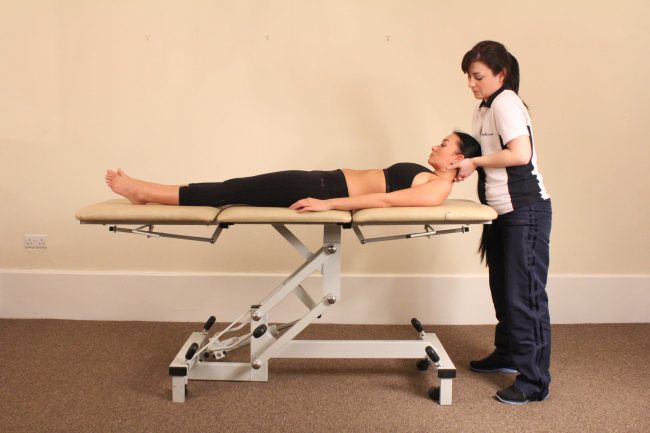
One example of a vestibular therapy exercise is called a canalith repositioning maneuver. This maneuver is specifically designed to treat BPPV (benign paroxysmal positional vertigo) by dislodging tiny calcium particles that become lodged in the inner ear canals, causing dizziness.
While the canalith repositioning maneuver might seem like a simple exercise, it’s crucial to perform vestibular therapy exercises under the supervision of a qualified physiotherapist. They possess the expertise to assess your specific condition and design a personalized program that incorporates safe and effective exercises tailored to your unique needs. This ensures you perform the exercises correctly to maximize their effectiveness and avoid any potential complications.
These exercises can encompass a variety of techniques. Some may focus on gaze stabilization, training your eyes to track smoothly despite head movements that normally trigger dizziness. Others might involve balance retraining, gradually challenging your vestibular system and encouraging your brain to compensate for any remaining dysfunction. Habituation exercises can also play a role, helping you desensitize to specific movements that previously triggered symptoms.
The key to vestibular physiotherapy is retraining your brain. By consistently performing targeted exercises, you can strengthen the connections between your inner ear, eyes, and brain, allowing them to work together more effectively. Over time, this recalibration process can significantly reduce your symptoms and improve your overall balance and stability.
Vestibular physiotherapy isn’t just about symptom relief; it’s about empowering you to reclaim your life. With a personalized program and dedicated practice, you can overcome the challenges of vestibular dysfunction and get back to enjoying the activities you love, all with a renewed sense of confidence and stability.
Protecting Harvests: Wildlife Removal Strategies for Rural Crop Protection
Wildlife intrusion in rural areas can pose significant challenges for crop farmers, jeopardizing their harvests and livelihoods. From deer and rabbits to rodents and birds, various wildlife species can cause damage to crops, leading to financial losses and decreased yields. In this blog post, we’ll explore the importance of wildlife removal in rural areas for the sake of crops and discuss effective strategies for protecting agricultural lands.
Wildlife such as deer and rabbits are notorious for consuming crops such as vegetables, fruits, and grains. Their feeding habits can result in crop damage ranging from nibbled leaves and fruits to entire plants being destroyed. Additionally, rodents like mice and voles can burrow underground and feed on crop roots, further compromising plant health and yield potential. Birds such as crows and starlings may also target crops, particularly during the seeding and ripening stages.
To mitigate the impact of wildlife on crops, farmers often turn to wildlife removal strategies tailored to their specific needs and challenges. One effective method is the use of fencing and barriers to create physical barriers between wildlife and crops. Deer fencing, for example, can deter deer from entering fields and damaging crops, while netting or mesh can protect fruits and vegetables from bird damage. Electric fencing may also be used to deter larger wildlife species.
Another wildlife removal strategy commonly employed in rural areas is the use of deterrents and repellents. These may include visual deterrents such as scarecrows, reflective tape, and predator decoys to deter birds and mammals from approaching crops. Scent-based repellents made from natural or synthetic ingredients can also be effective in deterring wildlife by creating an unpleasant or unfamiliar scent barrier around crops.
Integrated pest management (IPM) techniques are also utilized in wildlife removal efforts in rural areas. IPM combines multiple strategies, including habitat modification, trapping, and targeted pesticide use, to manage wildlife populations and minimize crop damage. For example, farmers may implement habitat modifications such as reducing shelter and food sources near crops to discourage wildlife, while strategically placed traps can capture and remove problematic animals.
Additionally, seeking assistance from professional wildlife removal services or local wildlife authorities can provide farmers with expertise, resources, and legal guidance in managing wildlife issues. These professionals can assess the wildlife problem, recommend appropriate removal and prevention measures, and ensure compliance with wildlife conservation laws and regulations.
In conclusion, wildlife removal plays a crucial role in protecting crops in rural areas from damage caused by wildlife species. By implementing a combination of strategies such as fencing, deterrents, repellents, IPM techniques, and professional assistance, farmers can safeguard their harvests, preserve crop quality, and sustain agricultural productivity in rural landscapes.